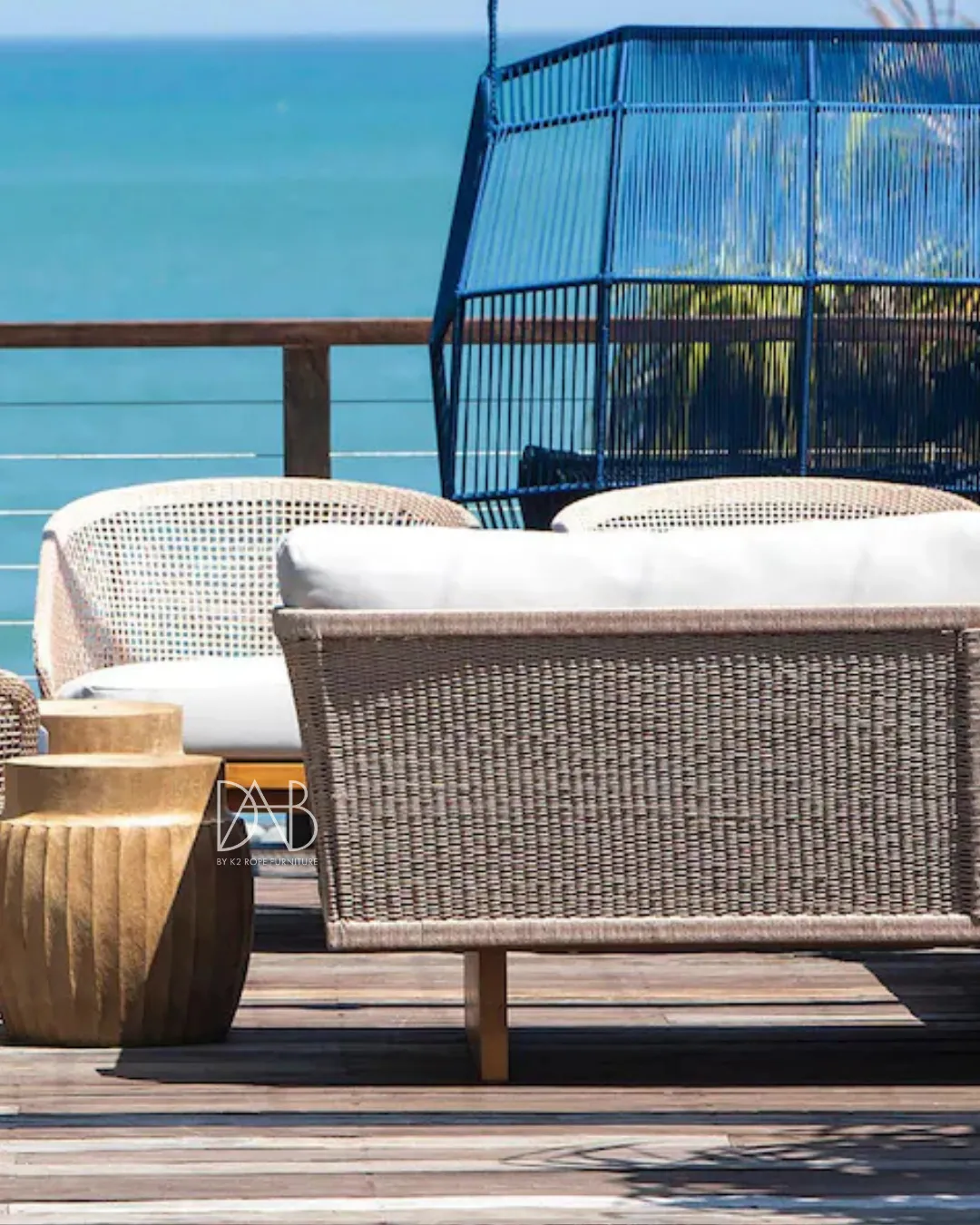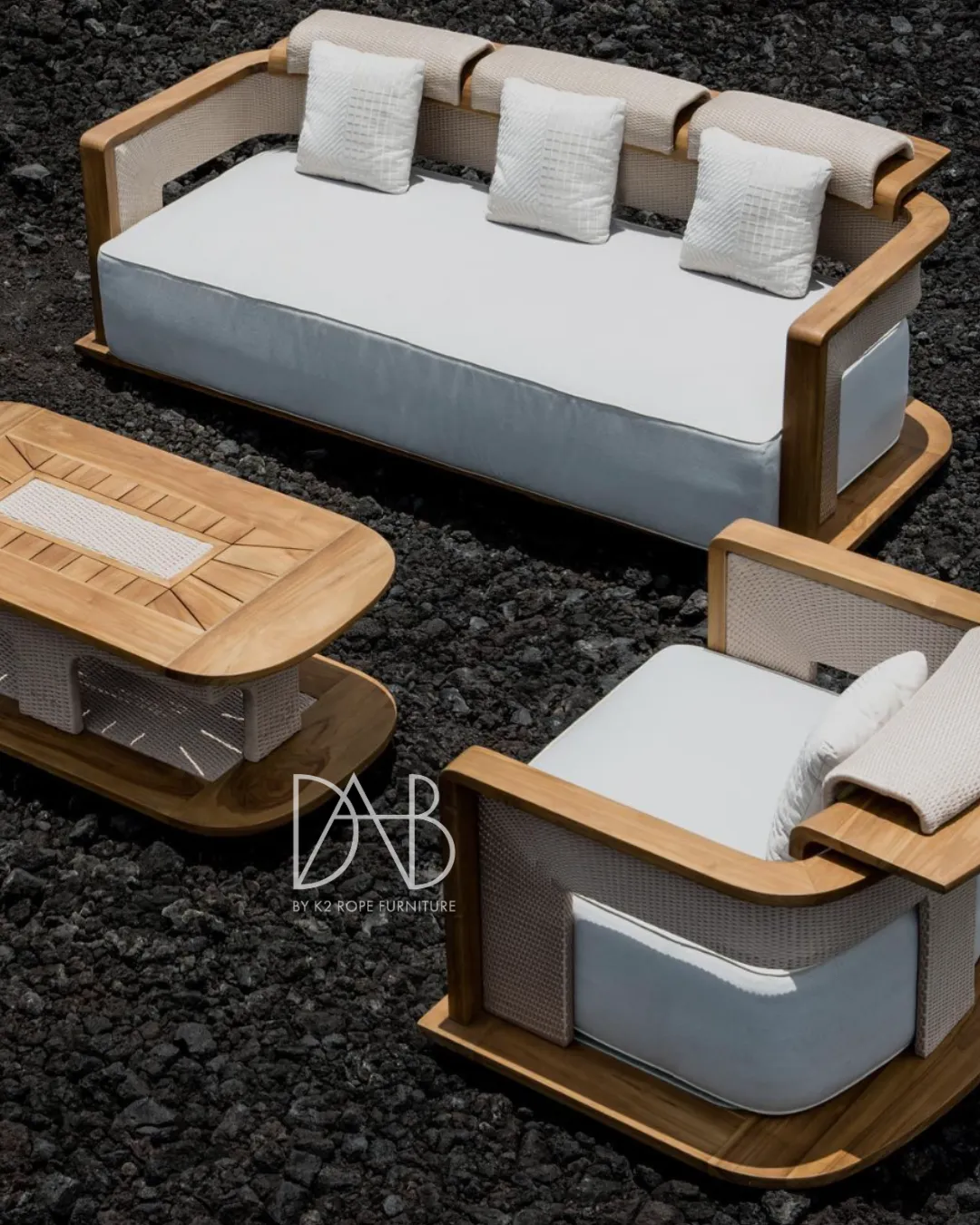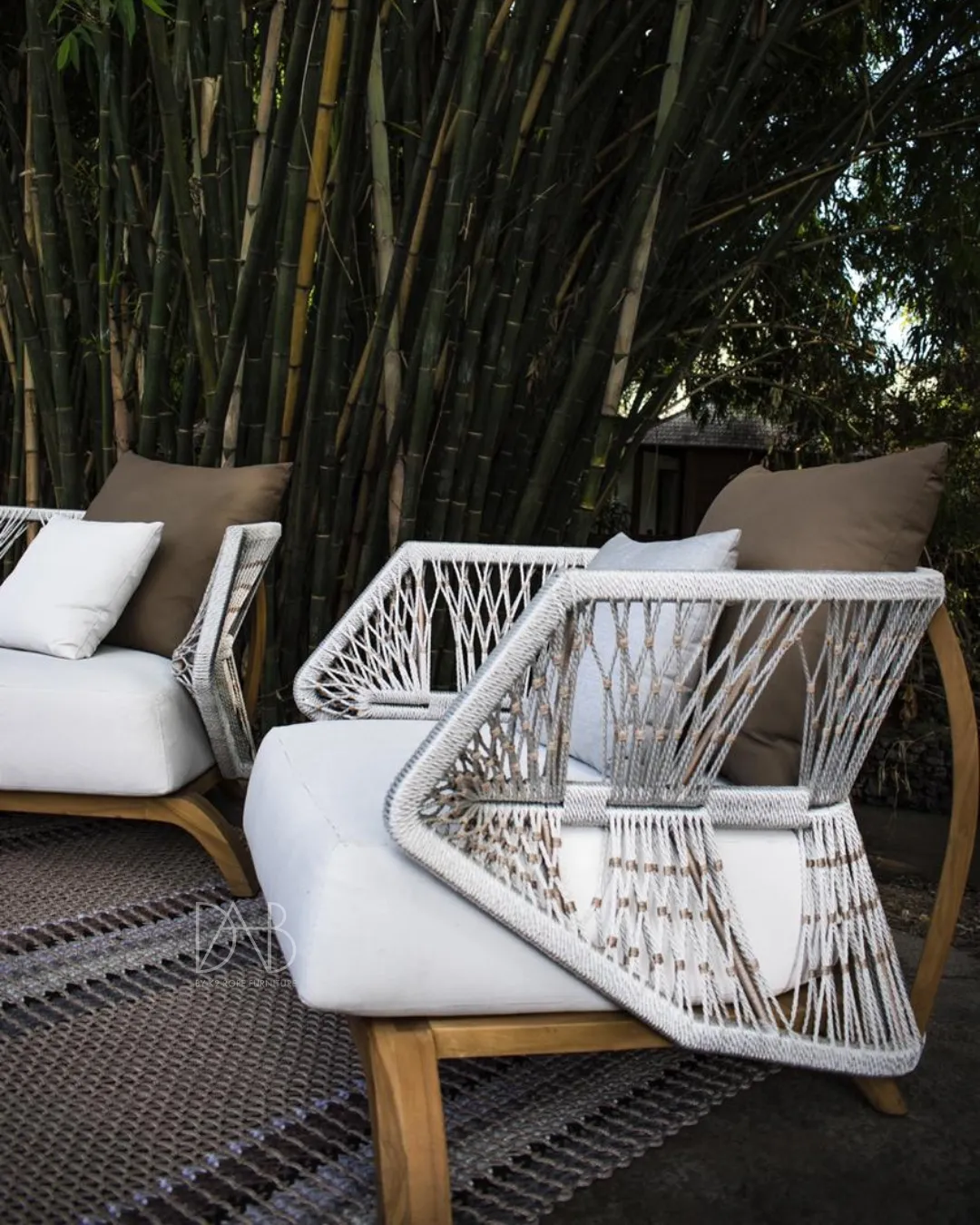
In terms of architecture, villas have always held a certain allure, representing a luxurious and comfortable way of life. No matter where they are located, villas showcase a wide range of architectural styles that appeal to different tastes. Different styles come with different types of furniture as well. Villa furniture takes a different approach to creating relaxing spaces.
In that case, we will explore the world of villa architecture, diving into the various types, distinctive features, and the perfect furniture choices to complement each style.
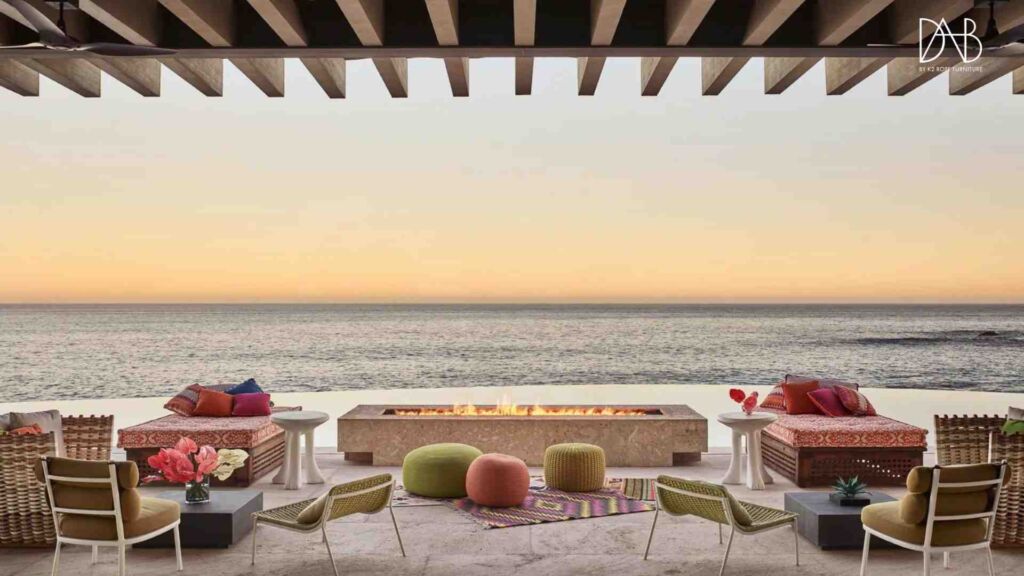
Before delving into the nuances of villa architecture, it’s essential to understand what a villa is. In Indonesian, a villa is commonly referred to as a “rumah liburan” or holiday home. Unlike traditional houses, villas are often associated with a sense of opulence and relaxation with its distinctive furniture.
They are standalone structures that offer privacy and space, making them an ideal choice for those seeking a retreat from the hustle and bustle of city life.
The term “villa” encompasses various architectural styles, each with its own unique charm. Here are some popular types of villas:
Inspired by the coastal regions of Spain, Italy, and Greece, Mediterranean villas boast stucco exteriors, red-tiled roofs, and arched doorways. These villas often feature lush gardens and courtyards.
Incorporating traditional Balinese elements, these villas showcase intricate wooden carvings, thatched roofs, and open-air pavilions. They are designed to harmonize with the natural surroundings.
Embracing sleek lines, large glass panels, and minimalist aesthetics, modern villas offer a contemporary take on luxury living. These villas often prioritize functionality and cutting-edge design.
Reflecting the elegance of colonial-era architecture, these villas feature grand facades, high ceilings, and symmetrical layouts. Classic elements such as columns and detailed moldings are common.
Ideal for warm climates, tropical villas focus on natural materials and open spaces. They often include features like thatched roofs, outdoor living areas, and lush landscaping.
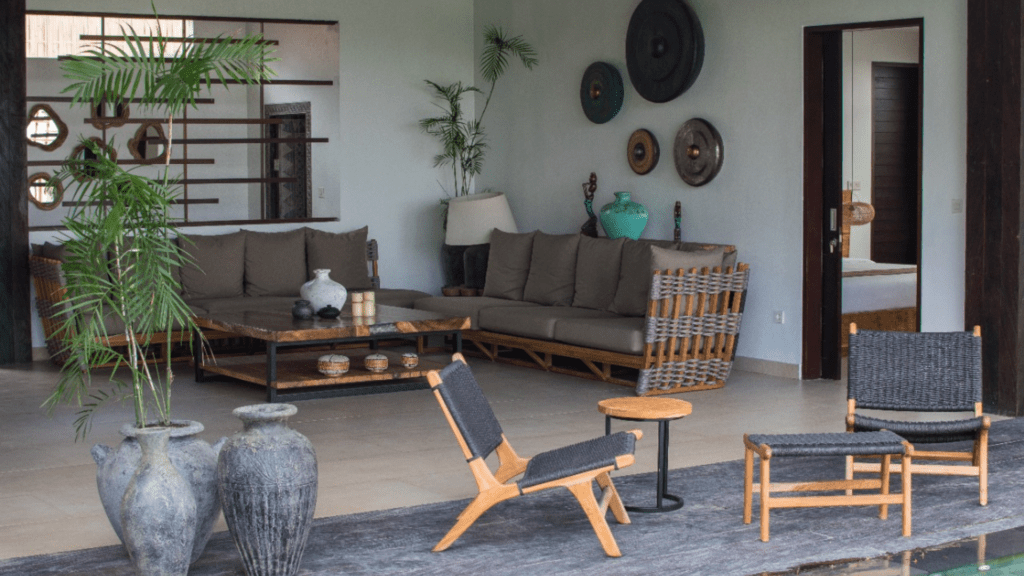
While both villas and townhouses are standalone dwellings, there are distinct differences between the two. Townhouses are typically part of a row or a complex, sharing walls with neighboring units.
In contrast, villas are freestanding structures, offering more privacy and are often surrounded by spacious grounds with unique furniture. The choice between a villa and a townhouse depends on individual preferences for space, privacy, and architectural style.
In several types of villas, there lies luxury villas for people to choose from. Luxury villas take opulence to the next level, offering an unparalleled living experience. Some common characteristics of luxury villas include:
Luxury villas often feature impressive entrances with grand gates, driveways, and landscaped surroundings.
From marble floors to custom-made furnishings, luxury villas spare no expense in using premium materials and finishes.
Many luxury villas are equipped with state-of-the-art smart home systems, allowing residents to control lighting, security, and climate with the touch of a button.
In addition to spacious living areas, luxury villas may include private amenities such as swimming pools, home theaters, and spa facilities.
Whether perched on a hill with panoramic views or nestled on a secluded beachfront, luxury villas often boast prime locations.
Although luxury villas are tempting for modern-day living, several types of villas are unique in the eyes and relaxing for the living.
Carved into natural rock formations, cave villas offer a one-of-a-kind living experience. These villas provide a cool and quiet retreat, with interiors showcasing the unique textures and patterns of the surrounding rock.
Situated on the water, floating villas offer a unique blend of luxury and tranquility. Supported by stilts or pontoons, these villas often feature expansive decks that provide a seamless connection with the water.
For those seeking a blend of innovation and eco-friendliness, underground villas provide a sustainable living solution. These villas are partially or entirely built below ground, utilizing natural insulation and reducing environmental impact.
Positioned on the edge of cliffs, these villas offer breathtaking views of the ocean or valleys below. The design often incorporates cantilevered structures to maximize the view without compromising safety.
Perfect for nature enthusiasts, treehouse villas offer a unique and elevated living experience. These villas are built amidst the branches, providing a serene escape while maintaining a connection with the surrounding environment.
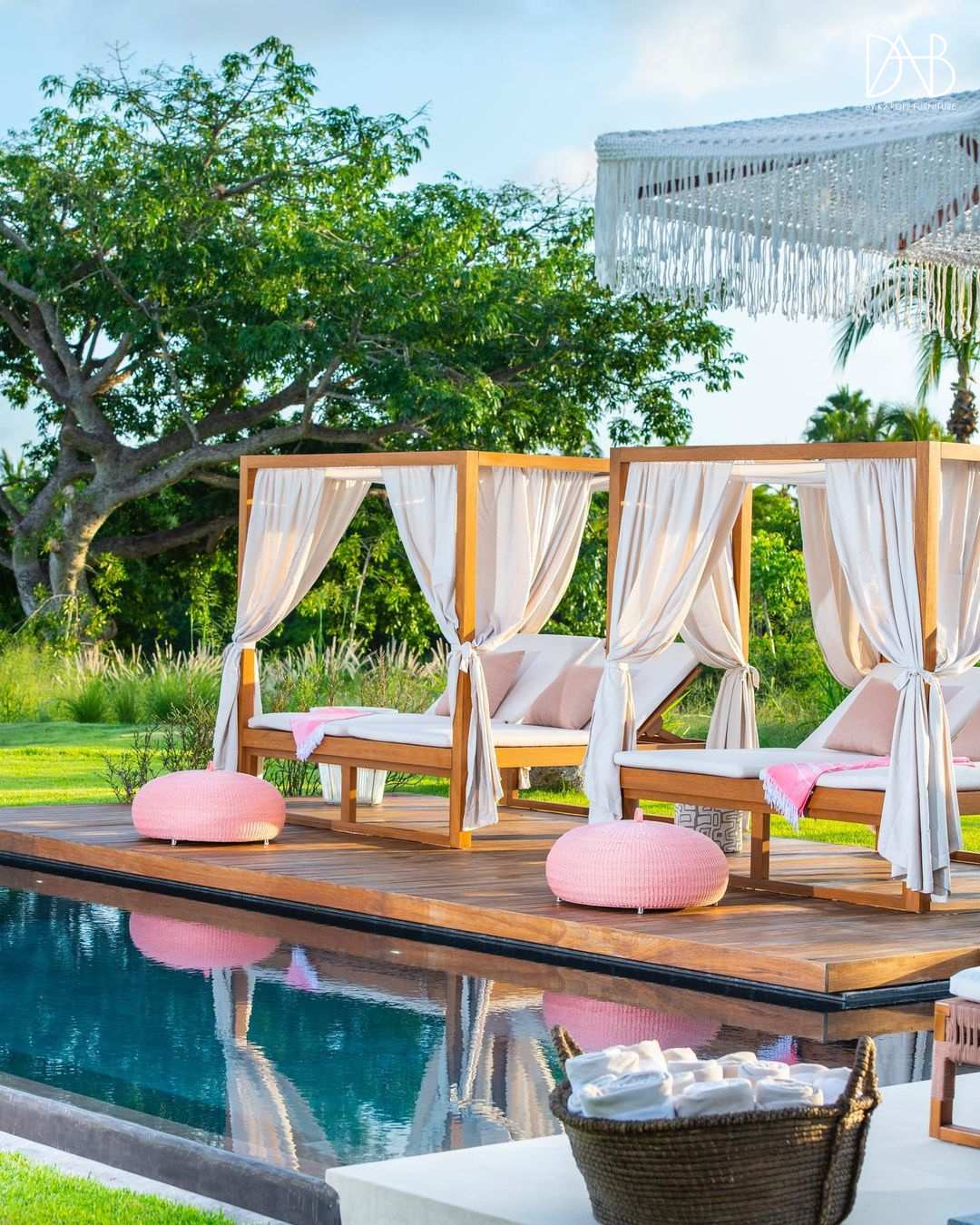
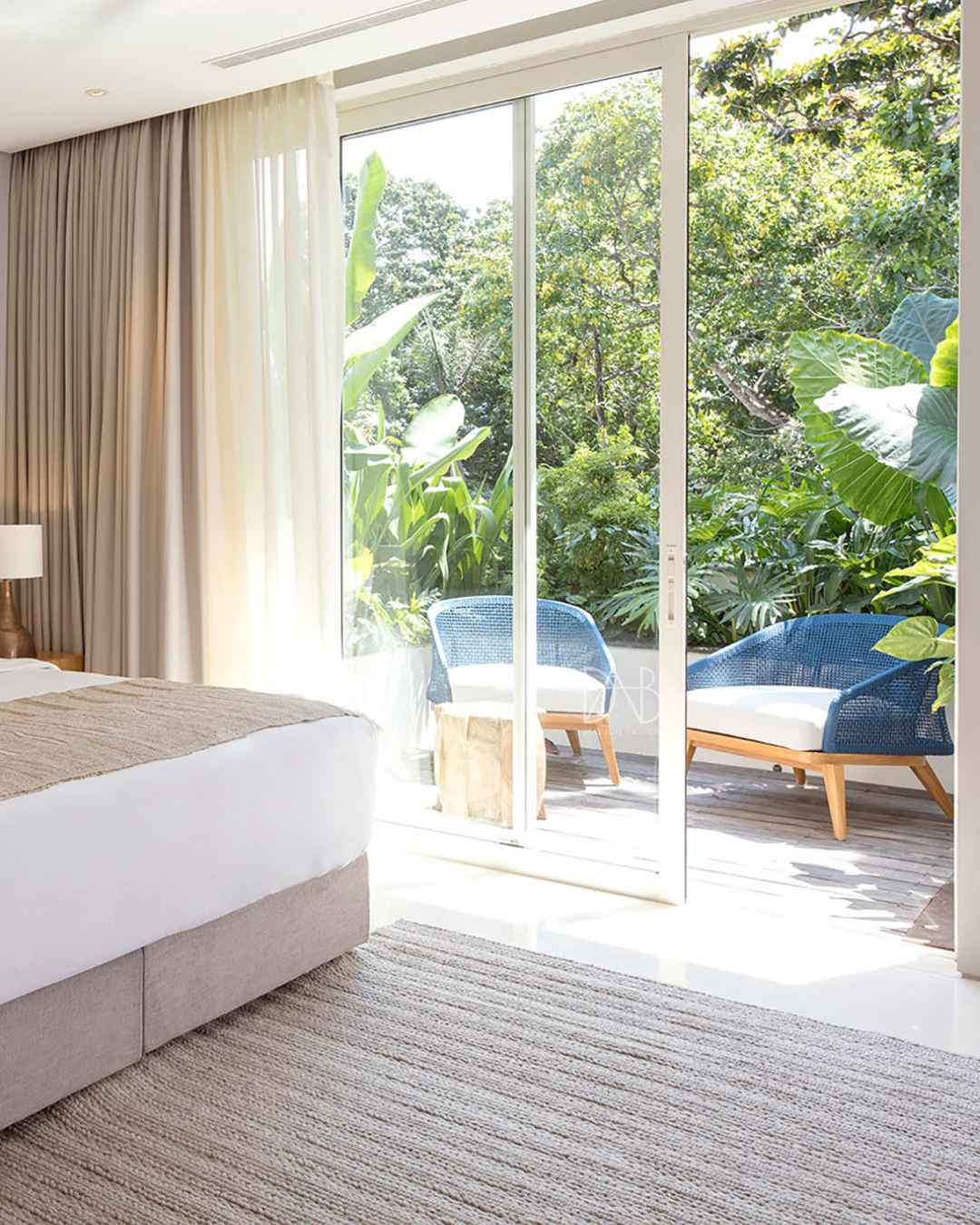
Selecting the right furniture is crucial to complement the architectural style of a villa. Here are some general recommendations that work well across various types of villas:
Embrace the spacious layout of villas with open-concept seating arrangements. Large sofas and sectionals can create a cozy yet elegant atmosphere.
Opt for furniture crafted from natural materials such as wood, rattan, and stone. This choice not only adds warmth to the interiors but also complements the connection with nature.
Given the emphasis on seamless indoor-outdoor living, invest in versatile outdoor furniture. Consider weather-resistant materials for durability in various climates.
Make a bold statement with unique lighting fixtures. Whether it’s a chandelier in the grand entrance or pendant lights above the dining table, lighting can enhance the overall aesthetic of the villa.
When it comes to outdoor furniture, rope furniture has become a popular choice for its durability, comfort, and aesthetic appeal. Here’s why rope furniture is an excellent option for all types of villas:
Rope furniture is designed to withstand the elements, making it ideal for outdoor spaces in villas. It is resistant to UV rays, moisture, and temperature fluctuations.
The woven rope design of the furniture provides a comfortable yet supportive seating experience. It conforms to body contours, ensuring a relaxing outdoor lounging experience.
Rope furniture comes in a variety of styles and colors, allowing homeowners to choose pieces that complement the overall design and color scheme of their villa.
Maintaining rope furniture is relatively easy. Regular cleaning with mild soap and water is usually sufficient to keep it looking fresh and vibrant.
In the world of villa architecture, diversity takes center stage. From the timeless charm of Mediterranean villas to the cutting-edge design of underground dwellings, each villa type promises a one-of-a-kind experience.
Delving into the features of all types of villas and exploring unique options like treehouses or cave villas opens up a realm of possibilities for those in search of distinctive living spaces.
When it comes to furnishing your villa, the key lies in choosing pieces that not only complement the architectural style but also offer comfort and functionality. Rope furniture, renowned for its versatility and durability, can be an excellent option for outdoor spaces, elevating the overall aesthetic of your villa.
You should keep in mind as you embark on the journey of bringing your dream villa to life that true luxury comes from a seamless integration of architecture, furniture, and natural surroundings. Well-designed villas are sanctuaries that reflect their owners’ individuality and taste, whether perched on a hill, surrounded by tropical greenery, or overlooking the sea.
Visit DAB Furniture to explore the complete range of rope furniture collections for all types of villas.