Chair weaving is an art form that turns ordinary chairs into stunning, practical pieces of furniture. When starting a chair weaving project, one of the most important considerations you’ll make is choosing the correct rope.
The right rope can improve the strength, comfort, and appearance of your chair. This article will show you how to select the best rope for chair weaving, ensuring that your craftwork lasts.
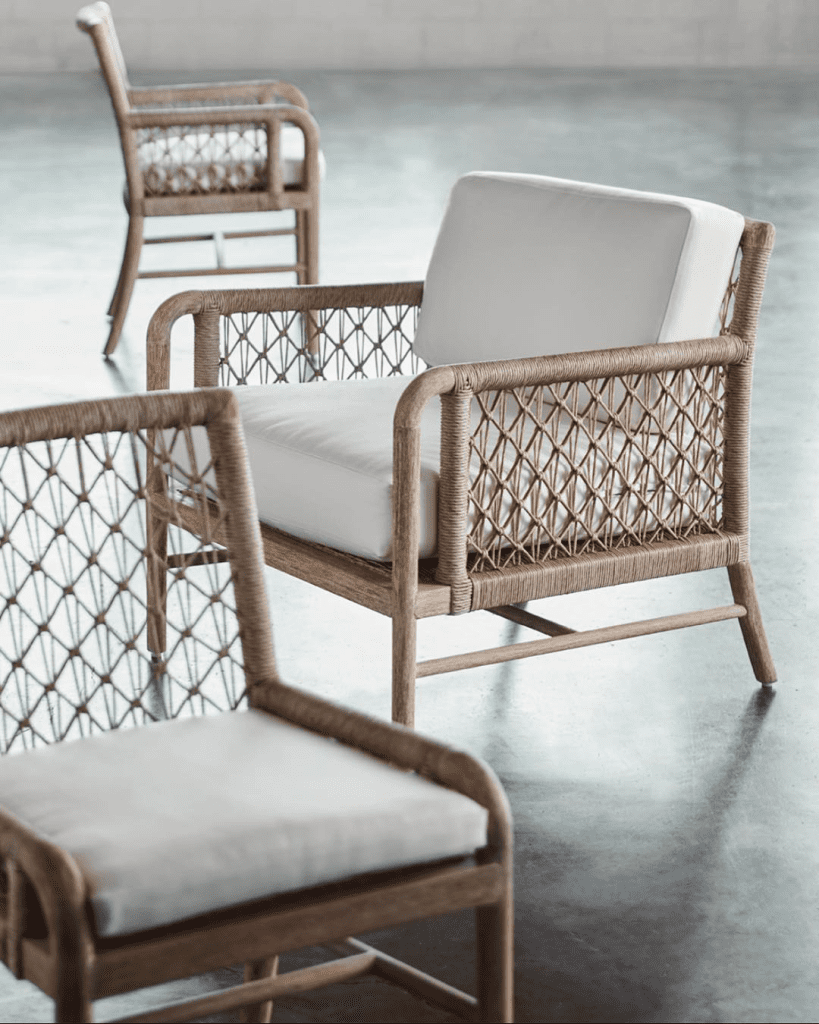
Before entering into the choosing process, it is critical to understand the fundamentals of chair weaving. Chair weaving is interlacing rope or other materials to provide a sturdy and beautiful seat or backrest.
This craft uses a variety of techniques, including traditional caning, rush weaving, and modern paracord weaving. Each technique may require a different type of rope, thus it is critical to understand your project’s exact requirements.
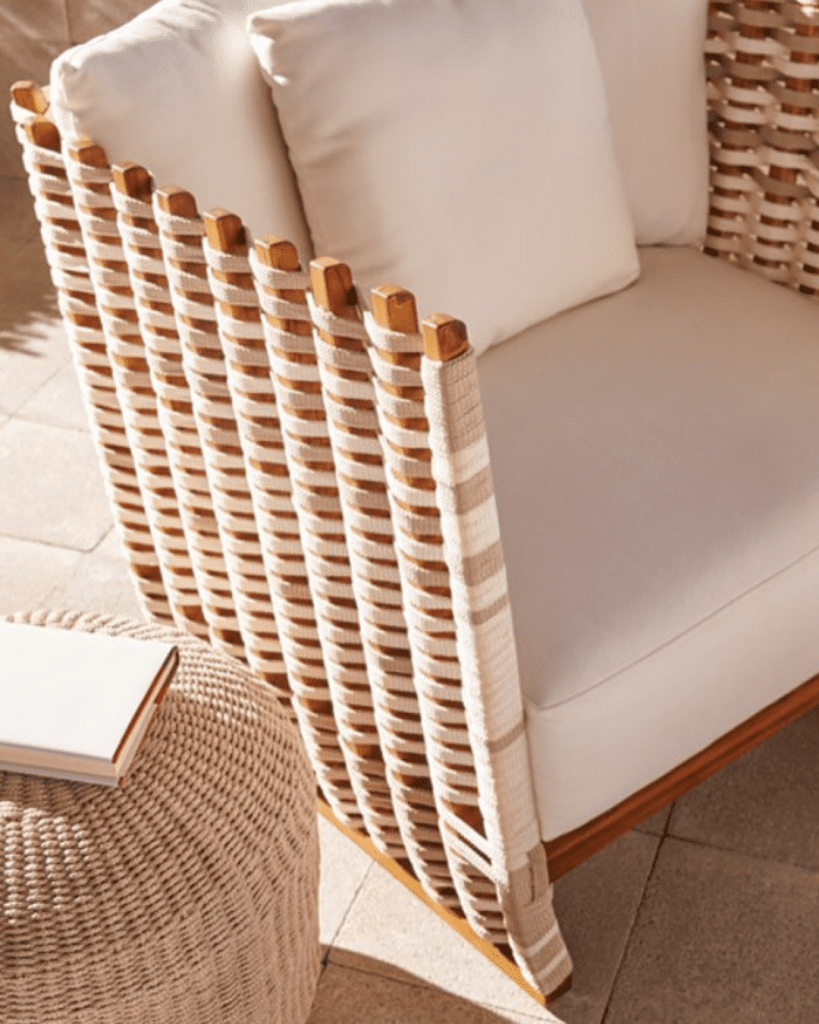
Choosing the correct rope for chair weaving requires consideration of various criteria, including material, thickness, durability, and attractiveness. The following are the most prevalent types of ropes used in chair weaving:
Natural fiber ropes are popular due to their classic appearance and environmental friendliness. The most popular natural fibers used in chair weaving are:
Synthetic ropes offer greater durability and resistance to the elements, making them suitable for both indoor and outdoor furniture. Common synthetic ropes include:
For unique or modern chair designs, you might consider specialty ropes such as:
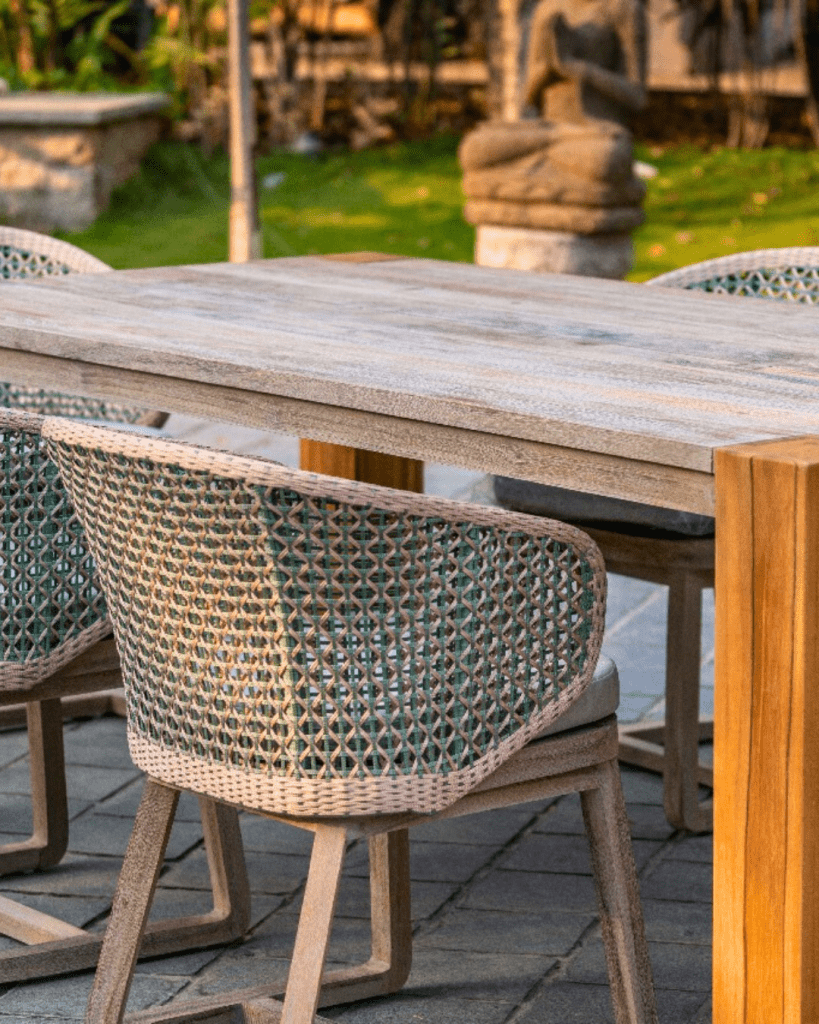
When choosing the best rope for chair weaving, keep the following aspects in mind to guarantee that your project satisfies your durability, comfort, and aesthetic standards.
The durability of the rope is critical, especially if the chair will be used regularly or placed outside. Synthetic ropes such as polypropylene, nylon, and polyester are great candidates due to their resilience to wear, moisture, and UV radiation. Natural fibers, while visually appealing, may not provide the same level of durability and may necessitate additional upkeep.
Comfort is vital, especially in seating areas. Softer ropes, such as cotton, provide a more comfortable sitting experience but may wear out more quickly. If you’re using a rougher rope, such as jute or hemp, think about weaving techniques with cushioning or utilizing padding underneath.
The visual appeal of the rope can significantly influence the overall appearance of the chair. Natural fibers provide a timeless, classic appearance that is ideal for rustic or historical themes. Synthetic ropes offer additional color options and allow for the creation of striking, modern designs. Select a rope that matches the style of the chair and the surrounding surroundings.
Certain ropes are easier to weave than others. Cotton and synthetic ropes are more malleable and simpler to handle, making them excellent for novices. Ropes like manila or jute can be tougher and more difficult to work with, necessitating greater skill and patience.
For eco-conscious craftsmen, the environmental impact of the rope material is an important issue. Natural fibers like hemp, jute, and cotton are biodegradable and have a smaller environmental impact than synthetic alternatives. However, synthetic ropes frequently last longer and require fewer replacements, so offsetting the environmental impact over time.
Different weaving techniques can effect the rope you use. Here are a few popular methods:
Caning is the process of weaving a seat from thin strips of cane, rattan, or synthetic materials. This technique requires flexibility and strength in the material, therefore cane, rattan, or synthetic caning are perfect.
Rush weaving creates a robust seat by twisting grasses, cattails, or paper fiber rush. Natural rush or paper fiber rush is often utilized, although synthetic rush is also available for a longer-lasting option.
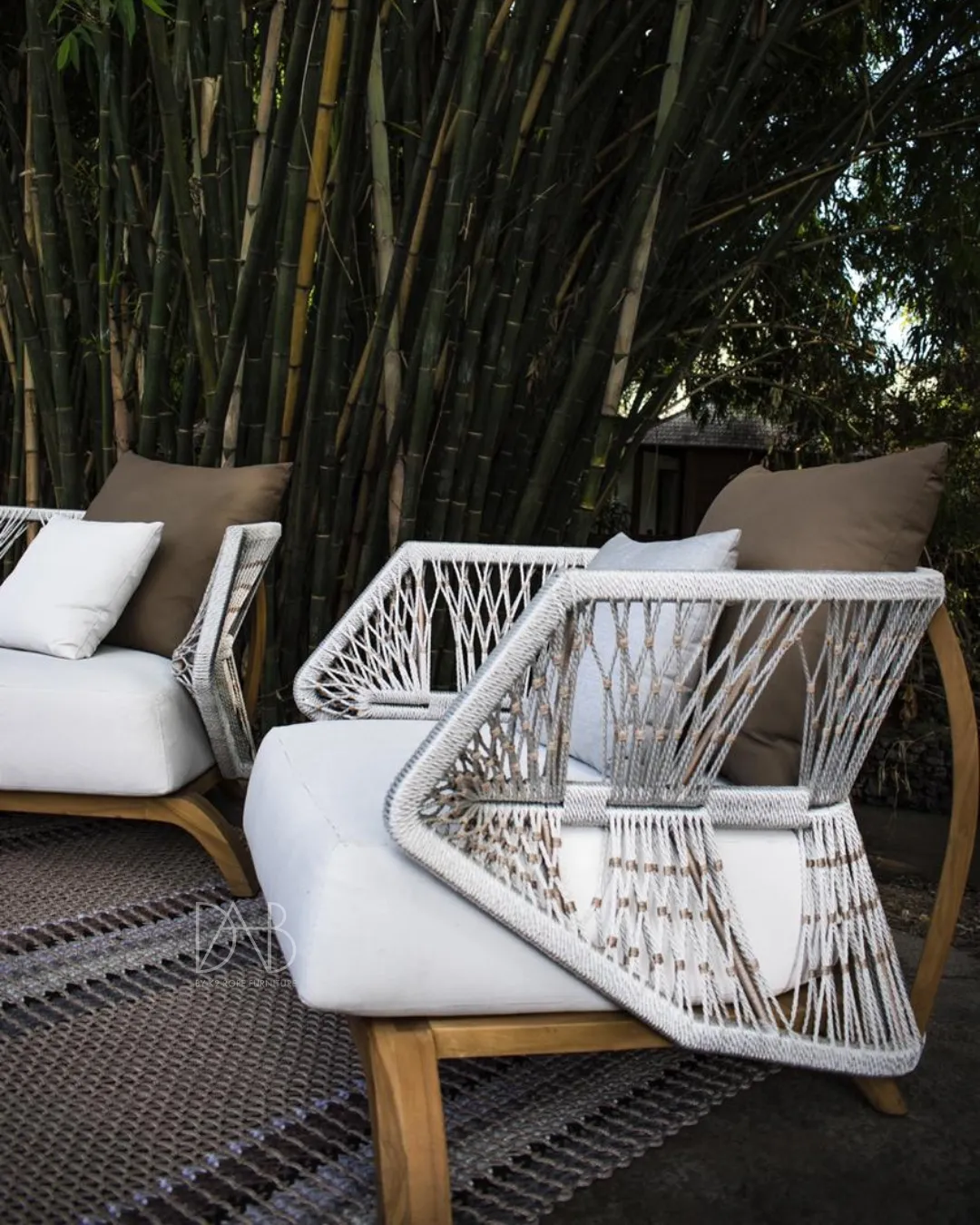
This current approach use paracord to make beautiful, multicolored motifs. Paracord is strong, flexible, and comes in a variety of colors, making it ideal for artistic patterns.
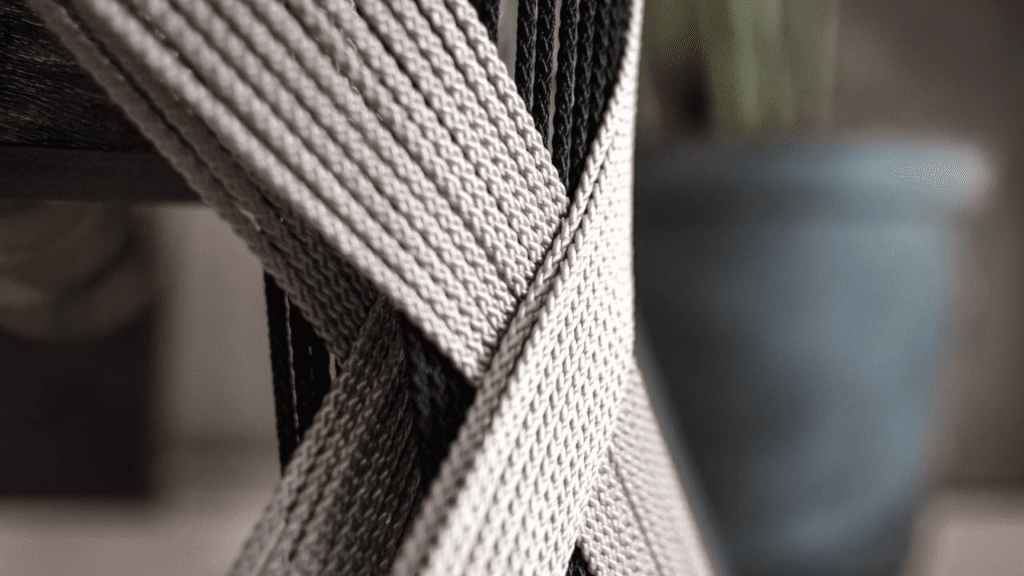
Shaker tape is a flat cotton or synthetic tape used in traditional Shaker furniture. It is woven in a crisscross pattern and available in a variety of colors, providing a comfortable and visually beautiful seat.
Here’s a simple step-by-step method to selecting the ideal rope for chair weaving project:
Consider the chair’s intended function and primary purpose. Is it for indoor or outdoor use? Will it be a decorative item or heavily used furniture? This will help you choose between natural and synthetic ropes.
Choose the material that is suited for the chair’s purpose and style. Natural fibers such as hemp or jute may be suitable for vintage-style indoor chairs. For outdoor or modern designs, synthetic ropes like as polypropylene or paracord are preferable.
Thicker ropes offer greater endurance and stability, but they might be more difficult to weave. Thinner ropes provide greater flexibility and elaborate designs, but they may not be as sturdy. Balance the thickness with the chair’s design and practical requirements.
If feasible, test a short portion of the rope to confirm it is suitable for seating. This is especially relevant for chairs that will be used regularly.
Examine the rope’s durability, specifically its resistance to moisture, UV radiation, and wear. Choose a rope strong enough to endure the chair’s intended use and climate.
Select a color and finish that complements both the chair’s style and your overall dcor. Natural fibers create a rustic appearance, but synthetic ropes offer brilliant color options.
Once you’ve found the appropriate rope, buy enough to finish your job. Prepare the rope by cutting it to the appropriate lengths and securing the ends to avoid fraying.
Choosing the ideal rope for chair weaving requires a thorough consideration of durability, comfort, aesthetics, and ease of usage. You may construct beautiful, long-lasting rope furniture by taking into account the type of material, thickness, and special requirements of your project. Whether you’re a beginner or a seasoned weaver, the appropriate rope will help you take your chair weaving skills to new heights. Happy weaving!
Learning the ideal rope for chair weaving is great for your decoration experience, but choosing the right furniture is important as well.. When choosing rope furniture, visit DAB Furniture to explore the complete range of rope furniture collections and apply them to your living spaces.